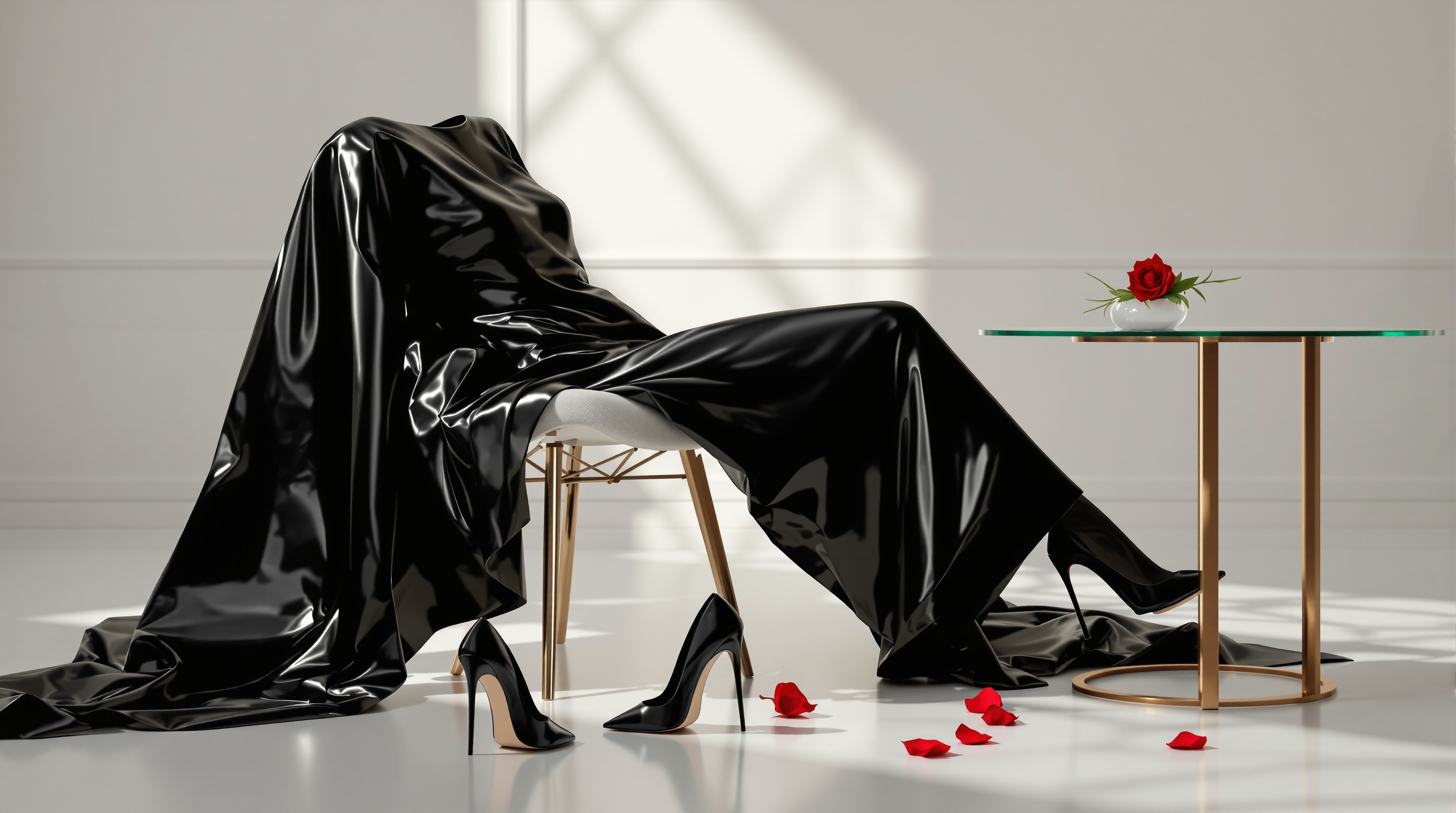
What 2021 taught us about fetish erotica
2021 was the year fetish erotica stopped whispering and started talking—loudly.
The first thing you need to know is how quickly the conversation shifted from niche forums to Instagram grids. People weren’t just sharing fantasies behind closed doors anymore; they were styling them. Corsets over hoodies. Latex boots with joggers. The line between fantasy and everyday wear blurred faster than a silk scarf in a rainstorm.
And it wasn’t just about what people wore. It was about how they talked about it. Words like "dominance," "submission," and "sensation" slipped into captions like they belonged there all along. Fashion brands that once hid their fetish lines in back corners suddenly put them front and center. Retailers who’d never stocked anything but cotton now carried patent leather.
But trends aren’t just trends when they change how people feel in their own skin. By mid-year, searches for "fetish fashion 2021" spiked 180% month-over-month. That’s not curiosity—that’s a cultural shift.
How fashion turned fantasy into everyday
One of the clearest signs that fetish erotica had crossed into the mainstream was the way high-street brands dipped their toes in. Not the usual half-hearted nods—actual collections. ASOS launched a late-night lingerie line with bondage-inspired cuts. Zara’s autumn campaign featured models in harnesses paired with oversized blazers. Even H&M dipped into the trend with a limited-edition PVC collection that sold out in hours.
What made it different this year wasn’t just the visibility. It was the accessibility. Prices dropped. Styles diversified. A beginner could walk into a store and find something that felt like play without looking like a costume.
The rise of rental platforms didn’t hurt either. Sites like Rent the Runway added fetish-friendly pieces to their inventory, letting people experiment without the commitment. Suddenly, a $400 latex dress wasn’t a splurge—it was a weekend rental.
The rise of sensory play and why it stuck
2021 wasn’t just about what you wore. It was about how it felt. Sensory play—textures, temperatures, pressure—became the new foreplay for many. Brands responded with products designed to heighten touch rather than just titillate.
Take weighted blankets, for example. They weren’t new, but their popularity exploded when people realized the pressure could mimic a firm embrace. The same went for textured fabrics—velvet, silk, rubberized cotton—each chosen not just for looks but for the way it dragged across skin.
Even foot fetish trends leaned into this. The obsession with stiletto heels wasn’t just about the height anymore. It was about the way the arch of the foot arched, the way the ankle bent under pressure. Brands like Pleaser and Demonia leaned into arch-supportive designs, making their shoes not just taller but more feelable.
The online shift and why it changed everything
Lockdowns kept people indoors, but they didn’t stop the fetish community from growing. If anything, it accelerated.
Virtual fetish nights became a thing—Zoom rooms where people could watch or join in, guided by hosts who knew exactly how to set the mood. Patreon creators offered exclusive content, from guided sensory sessions to fashion hauls. OnlyFans, once a niche platform, became a hub for fetish educators sharing tips, tricks, and even how-to guides on everything from tying knots to choosing the right leather.
What’s fascinating isn’t just the volume of content. It’s the variety. You could find a 10-minute video on how to style a harness for work, or a deep-dive into the history of Japanese rope bondage. The community wasn’t just surviving—it was thriving.
What stayed and what faded fast
Not every trend from 2021 stuck around. Some were flashes in the pan—like the sudden obsession with clear plastic raincoats, which peaked in March before disappearing by summer. Others, though, rooted themselves deeper.
Sustainability became a non-negotiable. Brands that once relied on cheap, disposable materials started offering repair services or buy-back programs. Consumers began demanding transparency: Where was the latex sourced? How was it made? The fetish market, once immune to these questions, started answering them.
The shift toward inclusivity also stuck. More brands began catering to a wider range of body types, skin tones, and mobility needs. It wasn’t just about expanding markets—it was about recognizing that fetish erotica, like all forms of desire, isn’t one-size-fits-all.
Where to learn more
If you’re curious about how fetish fashion has evolved beyond 2021, check out trending fetish styles on our site for inspiration. For a deeper dive into the psychology behind sensory play, readers looking into this may also want this guide on pleasure and pressure. And for those who want to explore the intersection of fashion and fantasy, this collection offers a curated look at how designers are pushing boundaries.
| Trend | Peak Moment | Why It Mattered |
|---|---|---|
| Latex in high street | Spring 2021 | Made fetish wear accessible |
| Sensory-focused fabrics | Summer 2021 | Shifted focus to touch |
| Virtual fetish nights | All year | Kept the community alive |
| Sustainable fetish wear | Autumn 2021 | Forced accountability |
| Inclusive sizing | Year-round | Expanded who could participate |
Three things to remember from 2021
First, fetish erotica isn’t a secret anymore. It’s a conversation—and one that’s happening in daylight, not backrooms.
Second, the shift toward sensory and tactile experiences means this isn’t just about looks. It’s about feeling. Literally.
Finally, the community isn’t just surviving. It’s demanding better—from brands, from itself, and from the way desire is expressed. That’s not just progress. That’s power.