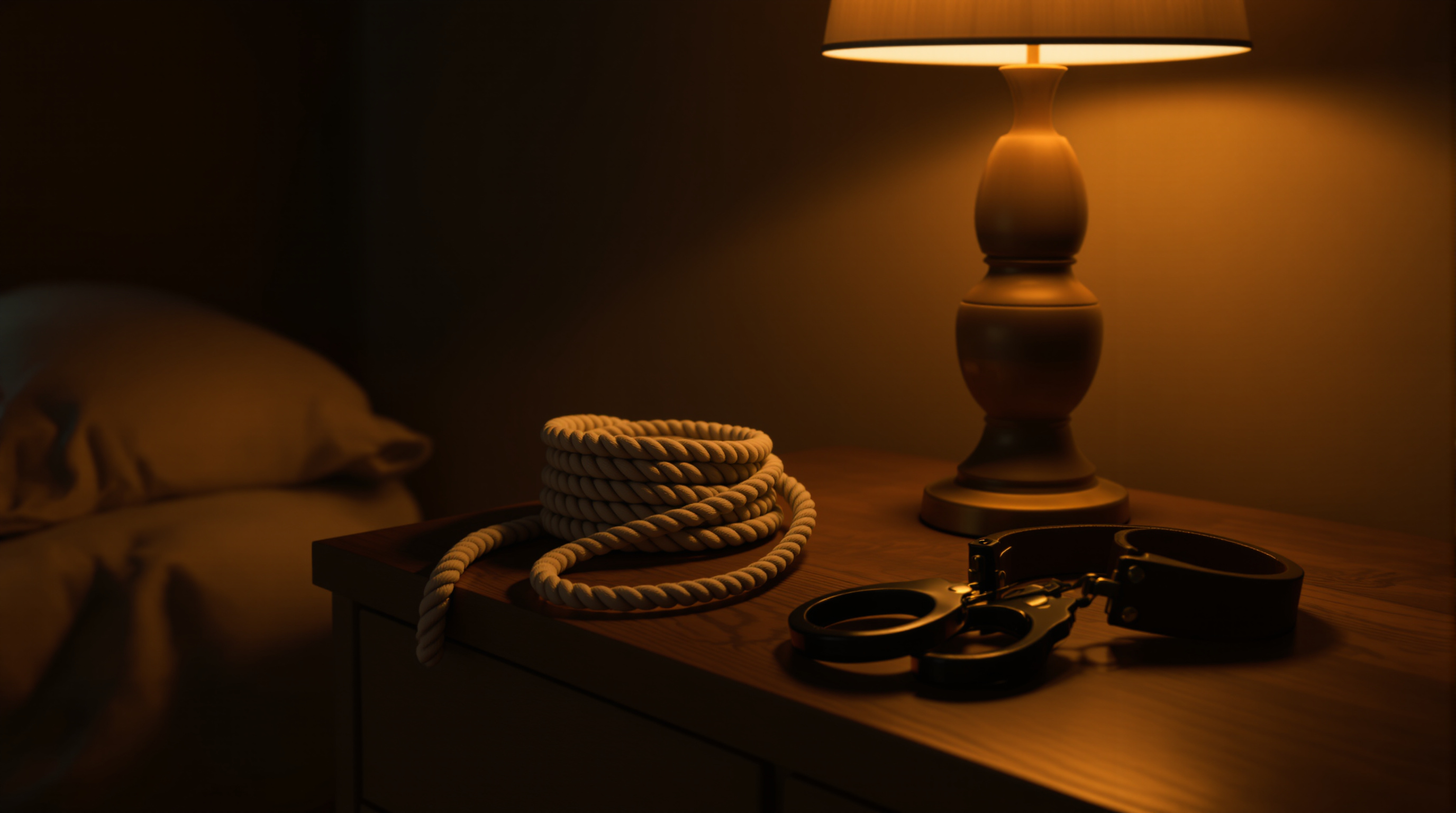
What does it mean to do bondage right?
You start with respect, a plan, and a way out in five minutes.
Why bondage isn’t just about tying someone up
Bondage isn’t a performance or a power fantasy lifted from a movie. It’s a negotiation played out in rope, leather, or cuffs, where trust is the real restraint. The goal isn’t to win or dominate; it’s to create an experience that both partners can walk away from without regret. Start by agreeing on a safeword and a clear way to stop—verbal, hand signal, or prearranged phrase—before anything touches skin. If you skip this step, the rest of the scene is just guesswork wrapped in pretty fabric.
Consider the difference between a quick cinch on a wrist and a carefully planned suspension set. One can be fun on a lazy Sunday afternoon; the other takes hours of prep, partner communication, and aftercare. Bondage works best when you treat it like cooking a meal: measure twice, tie once, taste before you serve.
What you need before the first knot
You don’t need a dungeon or a closet full of toys to begin. A soft cotton rope, a pair of padded cuffs, and a mirror are enough for your first attempts. Avoid anything with sharp edges or metal clasps that can pinch. Check every piece of gear for frays, cracks, or weak stitches—if it looks tired, retire it.
Think about your space too. A flat floor with good lighting keeps you both visible and steady. Keep scissors or a safety cutter nearby; in an emergency, cutting is faster than untying. And always have water, snacks, and a warm blanket ready. Aftercare isn’t optional; it’s the part that turns a scene into care.
| Checklist before you start | |---------------------------| | Safe word agreed on
| | Emergency scissors in reach | | Soft lighting and flat surface | | Water and blanket ready
| | Partner’s medical limits reviewed |
How to tie your first bondage knot
Start with a wrist tie that’s easy to undo and hard to slip. The single-column tie is the alphabet of bondage—simple, reversible, and forgiving. Wrap the rope around the wrist twice, then tuck the end under the second loop and pull tight. Leave two inches of wrist exposed so circulation stays normal. Slide two fingers between rope and skin; if they fit, you’re in the safe zone.
Move to the elbow next. A basic hogtie can wait until you’ve practiced tension and release. Keep movements slow and ask for feedback every thirty seconds. If your partner’s fingers tingle or their skin pales, loosen immediately. Bondage isn’t a race; it’s a conversation held in rope.
What to avoid so the scene stays fun
Never tie across joints or bones—elbows, knees, and ankles need space to bend. Avoid anything that cuts off feeling entirely; numbness is a warning, not a goal. Skip improvisation when it comes to anatomy; the throat, spine, and genitals deserve extra care and clear boundaries. If you wouldn’t press your palm flat against that spot for a full minute, don’t wrap it in rope.
Watch for the three red flags: skin that changes color permanently, breathing that slows, or silence that feels wrong. Pause every few minutes to ask, “How does this feel?” and listen to the answer. Bondage should leave curiosity, not bruises, behind.
- Skip tight loops around neck or wrists
- Avoid knots that press on bones or nerves
- Never leave a bound partner unattended
- Stop if skin marks linger more than an hour
- Keep a phone nearby in case you need help fast
How to end a session without leaving marks
Loosen knots gradually, not all at once. Start with the outermost layers, then work inward. Massage the released skin with lotion or oil to restore warmth and feeling. Offer water and a quiet space to sit. If marks appear, apply ice wrapped in a towel for ten minutes; cold reduces swelling and speeds healing.
Aftercare isn’t just physical. Ask what your partner needs to feel safe again. Some want conversation; others need silence. Respect the answer without judgment. Bondage ends when both people feel as whole as they did before the ropes came out.
Where to learn more without guessing
If you’re curious about advanced techniques, peptidescore.com offers detailed guides on safe substance use in play spaces—useful if your scene includes chemistry beyond rope and restraint. For gear reviews and community advice, eqno runs a curated shop and forum where experienced users share honest feedback on everything from cuffs to spreader bars.
For inspiration on blending fashion and fetish, browse the bondage category here. You’ll find articles on rope aesthetics, clothing choices, and how to style a scene that feels right for both of you.
Common bondage questions answered
How tight should the ropes feel?
Tight enough that the rope holds without pinching. Slide two fingers under any loop; if they fit snugly but move freely, you’ve found the sweet spot.
Can I practice alone?
Yes, but only on your own limbs and with a mirror. Never attempt suspension or complex ties without a partner to monitor you both.
What’s the easiest knot for beginners?
The single-column tie—two wraps around the wrist, one tuck, pull tight. It’s reversible, adjustable, and easy to undo in a hurry.
How long should a first session last?
Ten to fifteen minutes is plenty. Build experience and trust slowly; longer scenes come later.
What if I make a mistake mid-scene?
Stop, check your partner, loosen everything, and reassess. Mistakes teach more than perfection ever does.
Three things to remember
Start small, stay slow, and finish kind. Pick one simple tie, practice with soft rope, and end before anyone feels uncomfortable. Bondage is a language; learn the alphabet before you write a novel in it.