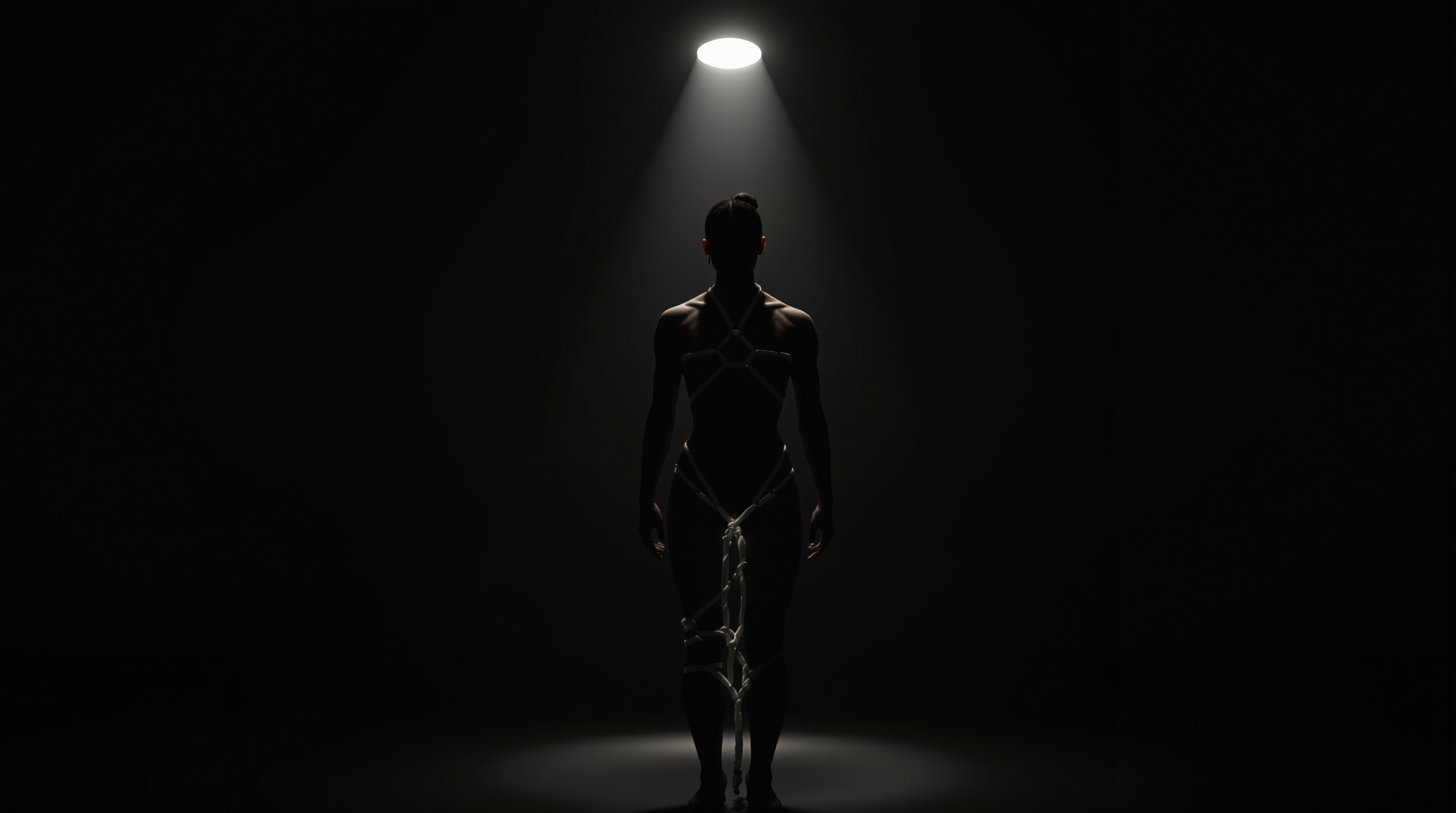
The Art of Bondage Photography
You're setting up for a photo session when you realize the lighting isn't quite right. The mood feels off, and you know this is about more than just a pretty picture. Bondage photography is an art that requires technical skill and an understanding of trust and consent.
Whether you're a seasoned photographer or just starting out, capturing the raw emotions and powerful aesthetics of bondage demands attention to detail. You need to consider lighting, composition, and safety. This part is genuinely confusing — that's normal. But if you only do one thing, do this: focus on creating a safe and respectful environment for your models.
Bondage photography is not just about the visual impact; it's also about the emotional intensity and the story behind the image. The right lighting can highlight textures and shadows, creating a dramatic effect. Composition plays a key role in guiding the viewer's eye and emphasizing the subject's form. Safety is paramount, as working with bondage equipment requires careful planning and a thorough understanding of the risks involved.
Pros of Bondage Photography
- It allows for creative expression and the exploration of powerful aesthetics.
- The right lighting and composition can highlight textures and shadows, adding depth to the image.
- Bondage photography can capture raw emotions and tell a compelling story.
- It encourages collaboration between the photographer and the model, fostering trust and communication.
- The genre pushes photographers to experiment with new techniques and perspectives.
Cons of Bondage Photography
- There is a risk of misrepresentation or exploitation if not approached with respect and consent.
- Safety concerns with bondage equipment require careful planning and awareness.
- The intense nature of the subject matter may not appeal to all audiences.
- It demands a high level of technical skill to capture the desired mood and aesthetics.
- The photographer must navigate complex ethical considerations to ensure a respectful portrayal.
Verdict
Bondage photography is a challenging yet rewarding art form that balances technical skill with emotional depth. If you're drawn to the raw intensity and powerful aesthetics of the genre, it can be a deeply fulfilling creative outlet. However, it's essential to approach the subject with respect, consent, and a strong focus on safety. For those willing to navigate these complexities, bondage photography offers a unique opportunity to explore the intersection of art and human connection. If you only do one thing, do this: prioritize safety and respect in every shoot.
Common Questions
What equipment is essential for bondage photography?
A sturdy camera with good low-light performance and a versatile lens are key. Lighting equipment that allows for precise control is also crucial.
How can I ensure models' safety during shoots?
Always prioritize consent and open communication. Have a clear understanding of the equipment being used and establish safety protocols before starting the shoot.
| Aspect
| Importance in Bondage Photography |
|---|
| Lighting
| High
| | Composition
| High
| | Safety
| Critical
| | Technical Skill | Medium
|
For readers looking into this, peptideScore offers insights into health and wellness that complement the physical demands of this art form. If you're interested in exploring the intersection of fashion and photography, eqno provides a curated selection of stylish accessories that can enhance your creative projects.
In summary, bondage photography is a captivating yet complex field that requires a balance of technical expertise and emotional sensitivity. By focusing on safety, respect, and creative expression, photographers can create powerful images that resonate with viewers and push the boundaries of artistic exploration.