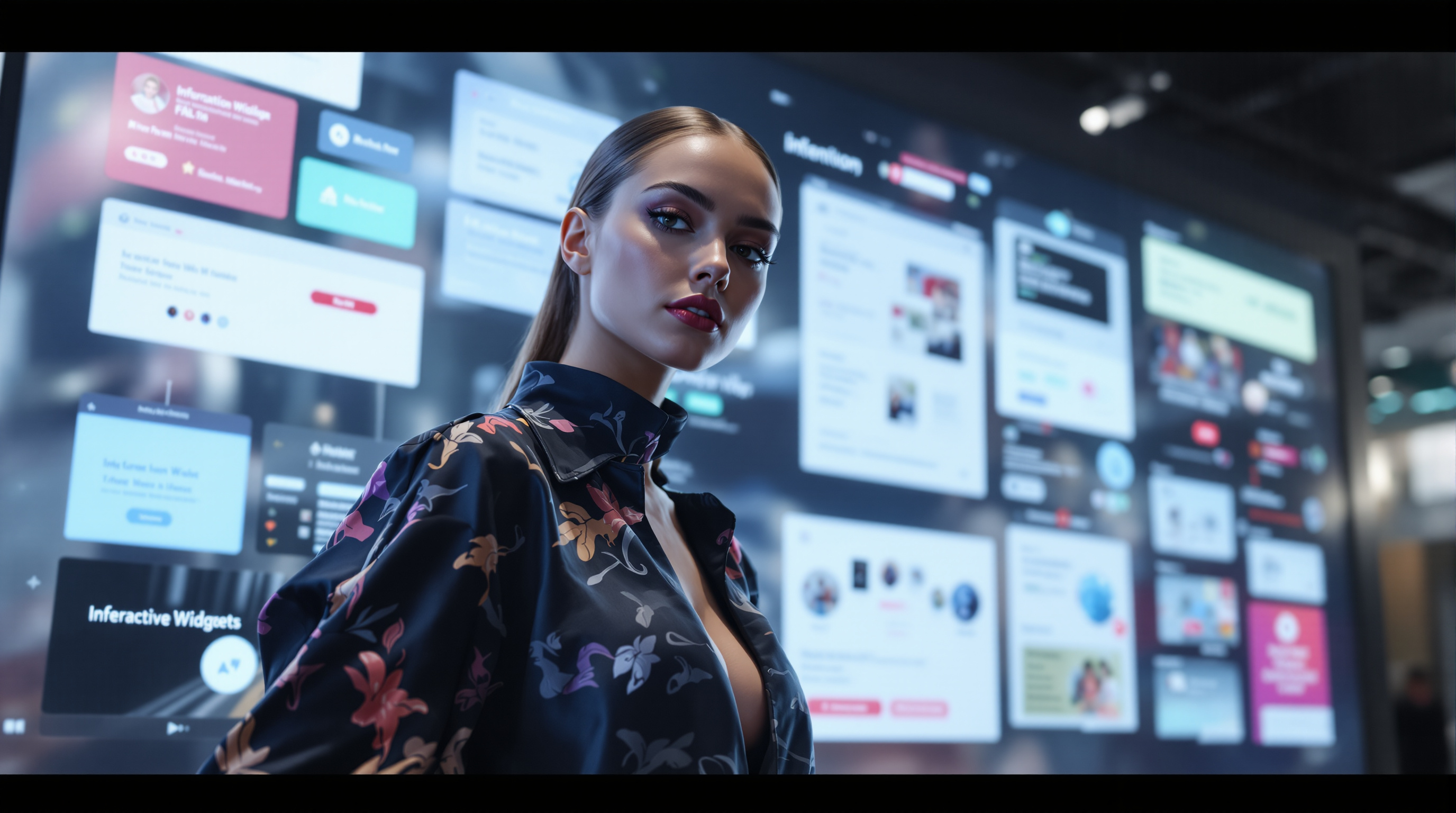
What Are Widgets in Fashion Imagery?
Widgets are interactive elements embedded within digital fashion images, such as product galleries or lookbooks. These components can range from simple zoom tools to elaborate interactive displays. However, using these widgets often requires specific licensing to ensure compliance with intellectual property laws.
In most cases, widget licenses are obtained through third-party providers or directly from software developers. The terms and conditions of these licenses vary widely, so it is essential to read them carefully. For example, some licenses may restrict commercial use or require attribution.
It is also important to note that licensing requirements may differ depending on the jurisdiction and the intended use of the images. Always verify local regulations before deploying any widget in a fashion context.
How to License Widgets for Fashion Images
When preparing to use widgets in your fashion images, follow these steps to ensure proper licensing:
- Identify the widget provider and review their licensing terms.
- Determine the scope of your intended use (commercial, non-commercial, etc.).
- Purchase the appropriate license that covers your needs.
- Implement the widget according to the provider's guidelines.
- Maintain records of your license and any associated documentation.
Keep in mind that some widgets may require additional permissions or royalties, especially if they incorporate third-party content.
Common Widget Licensing Scenarios in Fashion
Fashion websites and apps often use widgets for various purposes, each with its own licensing considerations:
- Product galleries: Widgets that display multiple images or videos of a garment.
- Lookbook viewers: Interactive tools that allow users to browse through styled outfit combinations.
- Virtual try-on: Augmented reality widgets that let users see how clothing would look on them.
In each case, the widget license must explicitly permit the intended use. Some licenses may be limited to non-commercial applications, while others may require a fee based on usage metrics.
Widget Licensing Best Practices
To avoid legal issues and ensure smooth operation, adhere to these best practices when licensing widgets for fashion images:
- Always read the full license agreement before purchasing or using a widget.
- Keep copies of all license documents and receipts.
- Regularly check for updates to the widget or changes in licensing terms.
- Consult with a legal expert if you are unsure about any aspect of the license.
Remember that licensing requirements can change over time, so it is important to stay informed about any updates that may affect your widget usage.
Handling Widget Licensing Disputes
In the event of a licensing dispute related to widgets in fashion images, take the following steps:
- Review your license agreement and any relevant correspondence.
- Contact the widget provider to attempt to resolve the issue informally.
- If necessary, seek legal advice to understand your rights and options.
- Consider alternative widgets or solutions if the dispute cannot be resolved satisfactorily.
It is worth noting that many licensing disputes can be avoided by carefully selecting widgets from reputable providers and maintaining clear records of your licensing agreements.
The Future of Widget Licensing in Fashion
As fashion imagery becomes increasingly interactive and immersive, the role of widgets will likely expand. This growth may lead to more complex licensing models, such as subscription-based or usage-tiered licenses. Additionally, there may be a push towards more standardized licensing terms across the industry to simplify compliance for fashion brands and content creators.
For those interested in exploring related topics, consider reading about XXX Pictures and onlyfans.
In conclusion, proper widget licensing is crucial for legally and effectively using interactive elements in fashion images. By understanding the licensing process, adhering to best practices, and staying informed about industry trends, fashion professionals can leverage widgets to enhance their digital presence while minimizing legal risks.