Bondage play isn't about expensive gear or complicated setups. It's about thoughtful choices that respect everyone involved. This guide walks you through realistic scenarios to help you decide what's worth your time and money.
Test the connection first
Every session starts with clear communication. Establish boundaries and safe words before anything else. What you're actually paying for is mutual understanding, not just the equipment.
Start with basic restraints
If you're new to bondage, begin with simple, adjustable restraints. Typically, these are a small share of your total cost. Look for items that are easy to release quickly.
What to do:
- Choose soft, wide cuffs to avoid nerve damage.
- Practice untying knots slowly before using them in play.
- Keep safety shears nearby for emergencies.
What to skip:
- Complicated locking mechanisms that are hard to open.
- Cheap nylon rope that can fray or cut skin.
Choose quality over quantity
A few well-made items are better than a closet full of cheap gear. Good value means something that lasts and is safe to use repeatedly. Avoid buying twice by investing wisely the first time.
What to do:
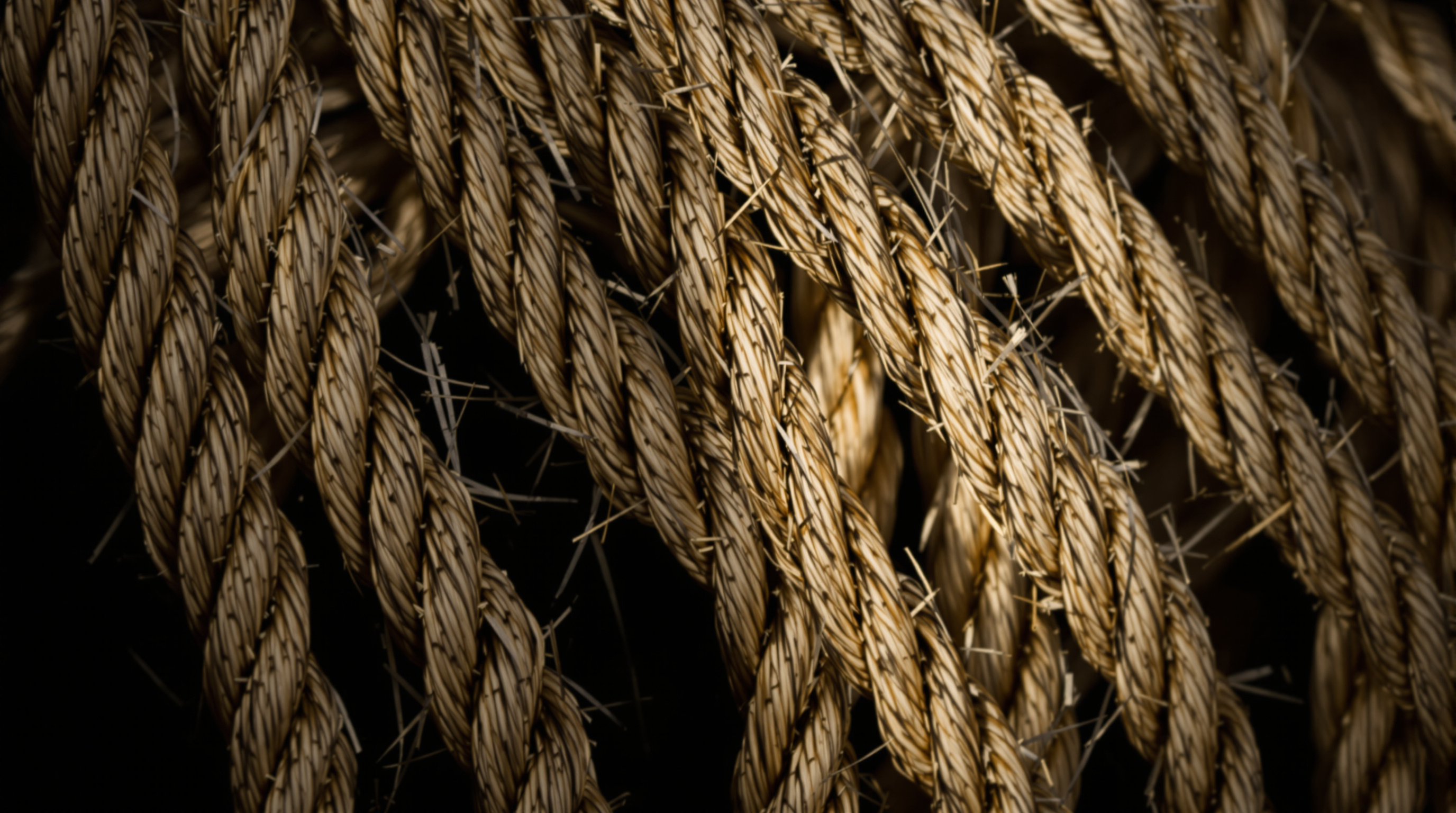
- Buy natural fiber ropes like cotton or jute from reputable sources.
- Learn basic knots that hold securely without slipping.
- Store gear properly to prevent damage or degradation.
What to skip:
- Plastic restraints that can break or cause injury.
- Used gear with unknown history or wear.
Plan for aftercare
Bondage isn't just about the scene itself. Aftercare is where the money goes in terms of long-term satisfaction and safety. It's not a cost—it's an investment in trust.
What to do:
- Discuss aftercare needs beforehand with your partner.
- Have water, blankets, and soothing items ready.
- Allow time for emotional and physical recovery.
What to skip:
- Rushing to the next activity without checking in.
- Ignoring signs of discomfort or distress.
If your situation is in between
For those who want more than basics but aren't ready for advanced setups, consider hybrid approaches. Combine a few quality restraints with household items like soft scarves. This keeps costs low while exploring new sensations safely.
What to do:
- Use silk scarves for gentle wrist or ankle binding.
- Invest in one premium item like a leather cuff.
- Gradually add specialized gear as you gain experience.
What to skip:
- Investing in expensive furniture or complex rigs too soon.
- Using items not designed for bondage, like phone cords.
How long should a bondage session last?
There's no set time. It depends on what feels right for everyone involved. Start with shorter sessions and gradually increase as comfort and skill grow.
Is expensive gear always better?
Not always. Some cheaper items work well if they're made safely. But generally, you get what you pay for in terms of durability and safety features.
Can I use household items for bondage?
Yes, but be careful. Some items like scarves or soft ropes can work in a pinch. Avoid anything that can tighten unexpectedly or cause injury.
In the end, good bondage play is about being careful and respectful. It's not about spending the most money. Think about what really adds value to your experience, and skip what doesn't.